
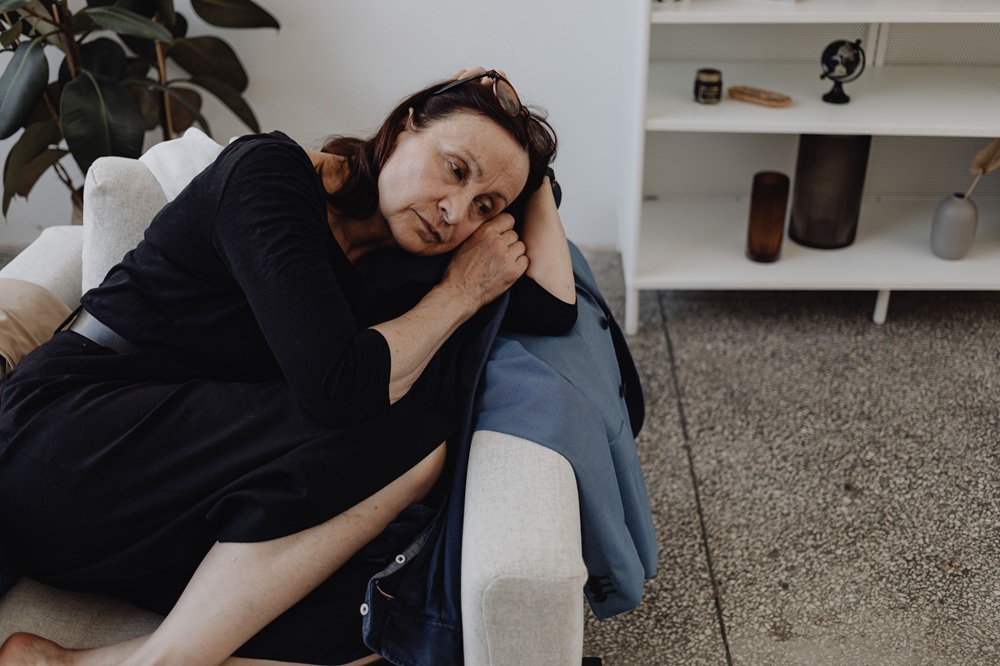
October is Menopause Awareness Month and a good time to talk more openly about a stage of life that affects every woman differently. While symptoms like hot flushes tend to be the most talked about, aches and stiffness are just as common. They’re often put down to getting older or an old injury, so the link to menopause can easily be missed.
If you’ve noticed new aches during midlife or long-standing problems flaring up, hormonal changes may be playing a part. Knowing how perimenopause and menopause can lead to muscle and joint pain makes it easier to find the right support.
Can Perimenopause and Menopause Cause Muscle and Joint Pain?
For many women, the answer is yes. The NHS lists muscle aches and joint pains among the recognised symptoms of menopause and perimenopause, and these can begin during perimenopause and sometimes continue after menopause has ended.
It’s also far more common than many people realise. According to Arthritis Action, around 60% of perimenopausal and menopausal women experience joint pain linked to hormonal changes. As other symptoms often take centre stage, this type of pain can easily be overlooked or put down to age.
You can read more about these wider changes in our post on how to help perimenopause symptoms naturally.
Why Hormonal Changes Can Affect Muscles and Joints
Oestrogen is best known for its role in the menstrual cycle, but it also helps to keep your joints and bones healthy. During perimenopause, hormone levels rise and fall unpredictably before gradually settling at a lower level. These shifts can affect the body in a number of ways.
| Area Affected | What May Happen |
|---|---|
| Joints | Pain and stiffness, often in the hands and feet, although any joint can be affected |
| Muscles | A gradual loss of muscle mass |
| Bones | Reduced bone density, which can lead to osteoporosis |
| Sleep and mood | Poorer sleep and changes in mood, both of which can add to joint pain |
Researchers are still learning exactly why these changes cause pain. A review on musculoskeletal pain and menopause explains that while the link appears strong, more research is needed to understand how lower oestrogen leads to it.
What Does Perimenopause Muscle Pain Feel Like?
Menopause-related aches tend to come on gradually and can feel quite different from one person to the next. Many women notice a general ache rather than pain in one specific spot, while for others it’s a familiar niggle that becomes harder to ignore.
You might notice:
- A dull, widespread ache or stiffness that’s hard to pin down
- Discomfort that wakes you during the night
- Feeling more tired than usual
- Everyday tasks, like opening jars or lifting heavy pans, becoming harder
If you’re thinking of speaking to a GP or practitioner, it can help to keep a note of when the pain started and how it changes over time.
How to Tell if Joint Pain Is From Menopause
There’s no single test that can confirm whether joint pain is linked to menopause, so it isn’t always easy to tell. Osteoarthritis, for example, often develops around the same stage of life and can affect the same joints, particularly the thumbs and small finger joints. Some women experience both at once. Stress can also play a part, as it tends to cause muscle tension and aches of its own.
It can help to think about whether your pain began around the same time as other changes, such as irregular periods or hot flushes. Sharing this with your GP can give them a clearer picture of what might be going on.
If your pain is severe or affecting your daily life, it’s worth booking an appointment. A doctor can also talk you through your options if you’re unsure what’s causing your symptoms or would like support managing menopause more generally.
How Sleep and Stress Can Affect Pain
During menopause, sleep and stress can have a real impact on how much pain you feel. Night sweats can make it harder to drift off or stay asleep, and a run of poor nights can leave you feeling stressed and on edge. Stress may then add to muscle tension, which can worsen existing aches.
Looking after your sleep can help to ease this, as good-quality sleep can support pain management. Our tips for better sleep offer some simple changes you can try at home. If worry or low mood are also playing a part, talking therapies such as CBT can help with both sleep and emotional wellbeing.
How Chiropractic Care and Remedial Massage Can Help
Hands-on treatment won’t change your hormone levels, but it can ease many of the physical symptoms that come with them.
Chiropractic Care
Chiropractic care focuses on the health of your spine and joints, and can be a helpful option if aches and stiffness are making everyday movement harder. By relieving pain and improving how freely you move, treatment can help you stay active, and many people find they sleep more comfortably as their discomfort eases.
Remedial Massage
Remedial massage works by easing tight muscles and boosting blood flow to the affected area. It also triggers the body’s natural relaxation response, which is especially useful when stress is adding to muscle tension.
Staying Active and Eating Well
Alongside treatment, regular movement makes a big difference. Resistance exercise, such as using weights, helps to maintain muscle mass and support joint stability. A healthy diet also plays a part in managing pain, and our nutritionist can offer advice tailored to you.
Menopause Support at Morley Chiropractic Clinic
Menopause can affect both body and mind, so our team takes a joined-up approach to your care. As well as chiropractic care and remedial massage, we offer nutritional advice and CBT for menopause with Katie, who has advanced training in menopause-focused CBT. Every treatment plan is tailored to your needs, whatever stage of menopause you’re at.
If aches or stiffness are affecting your day-to-day life, we’re here to help. Get in touch with our friendly team or book an appointment online.